
The Art of Crafting the Hermes Picotin: A Meticulous Journey from Tannery to Fashion Icon

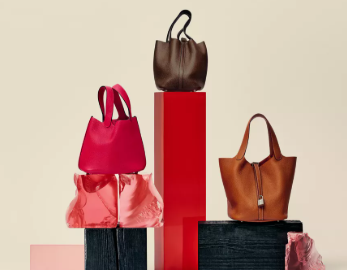
Behind the minimalist beauty and understated elegance of the Hermes Picotin lies a pinnacle of artisanal craftsmanship, where each bag is not merely a product but a work of art. In Hermès’ workshops, skilled artisans transform premium leather into a globally coveted fashion icon. The meticulous process, from leather cutting to stitching and final finishing, defines the enduring quality and value of every Hermes Picotin.
Join us as we explore this unique crafting artistry and understand why each Hermes Picotin carries its own distinct “soul.”
1. Leather Selection: The Genesis of a Hermes Picotin Masterpiece
Every Hermes Picotin crafting journey begins with the selection of the most perfect leather hides. This is a crucial step, as leather quality largely dictates the bag’s beauty and durability.
Rigorous Vetting: Hermès exclusively sources leather from the most reputable suppliers worldwide. Each hide of calfskin (such as Taurillon Clemence, Togo, Epsom) undergoes meticulous inspection under natural light to detect even the slightest imperfections like scars, scratches, or uneven coloring. Only the most flawless hides are approved.
Artisan Expertise: Leather selection isn’t just about inspection; it heavily relies on the seasoned experience of the artisans. They can feel the softness, assess the thickness, and identify the unique characteristics of each leather type, thereby determining which leather is best suited for the Hermes Picotin’s soft yet structured form.
2. Leather Cutting: Absolute Precision
Once the leather is selected, the cutting stage demands absolute precision and dexterity to optimize material usage and ensure every piece is flawless.
Hand-Cutting: Every single piece of the Hermes Picotin (body, base, handles) is hand-cut by artisans. This allows them to skillfully avoid minor imperfections and maximize the use of the most beautiful parts of the leather.
Specialized Techniques: Artisans use specific patterns and razor-sharp tools to ensure each cut is clean, neat, and accurate to the millimeter, setting the foundation for perfect assembly later on.
3. Hand-Stitching: The Soul of Every Hermes Picotin
This is the most renowned stage and best exemplifies Hermès’ artisanal value. Each Hermes Picotin is entirely hand-stitched by a single artisan from start to finish.
Saddle Stitch Technique: This is Hermès’ signature stitching technique, inherited from its equestrian saddle-making heritage. Artisans use two needles and a waxed linen thread simultaneously, creating strong, durable double stitches with a distinctive slant. This technique is far more challenging than machine stitching but guarantees superior durability and an inimitable aesthetic.
Flawless Stitching: The stitches on the Hermes Picotin are even, crisp, and incredibly refined, showcasing the artisan’s meticulous attention to every detail. Even the handle attachments are executed with remarkable skill.
Sequential Assembly: The artisan will stitch each part of the bag (body, base, handles) together sequentially, ensuring a perfect fit between all components.
4. Edge Finishing: The Pinnacle of Refinement
The edges of the Hermes Picotin are not merely cut but also meticulously finished, creating a polished and professional appearance.
Sanding & Polishing: The leather edges are sanded multiple times to remove any roughness.
Edge Painting (Dye Application): Subsequently, artisans apply multiple layers of specialized edge paint (known as “Dye”) to the leather edges, with each layer dried and polished. This process ensures the bag’s edges won’t peel or crack over time, while also creating a seamless, perfect look for the Hermes Picotin.
Final Polishing: Metal details like the Cadena lock and base feet are also hand-polished to achieve a flawless shine.
5. Final Quality Control: Ensuring Perfection
Before a Hermes Picotin leaves the workshop, it undergoes an extremely stringent quality control process.
Inspection of Every Detail: The artisan meticulously inspects every stitch, every metal detail, the leather’s finish, and the bag’s overall shape to ensure there are no flaws whatsoever.
Personal Markings: Each Hermes Picotin features a subtly stamped date code inside, and sometimes the personal mark of the artisan who created it. This not only aids in traceability but also serves as a source of pride in their work.
Conclusion: More Than a Bag, a Hermes Picotin Heritage
The meticulous handcrafted process, demanding exceptional patience, skill, and experience, is what truly defines the value of every Hermes Picotin. When you own one of these bags, you’re not just purchasing a fashion item; you’re acquiring a work of art, a testament to a dedication to quality and artisanal beauty passed down through generations. It is this ceaseless artistry that has transformed the Hermes Picotin into a timeless icon, an integral part of the grand Hermès heritage.


